
① Following the signing of a memorandum of understanding between Iran and the United States on the reopening of the Strait of Hormuz, shipping volume in the Strait of Hormuz and the Gulf region is gradually recovering.
② Tanker freight rates have soared sharply. The average daily cost for a Very Large Crude Carrier (VLCC) transporting crude oil within the Gulf that needs to pass through the Strait of Hormuz has surged to nearly USD 470,000, an increase of more than USD 50,000 from a week earlier.
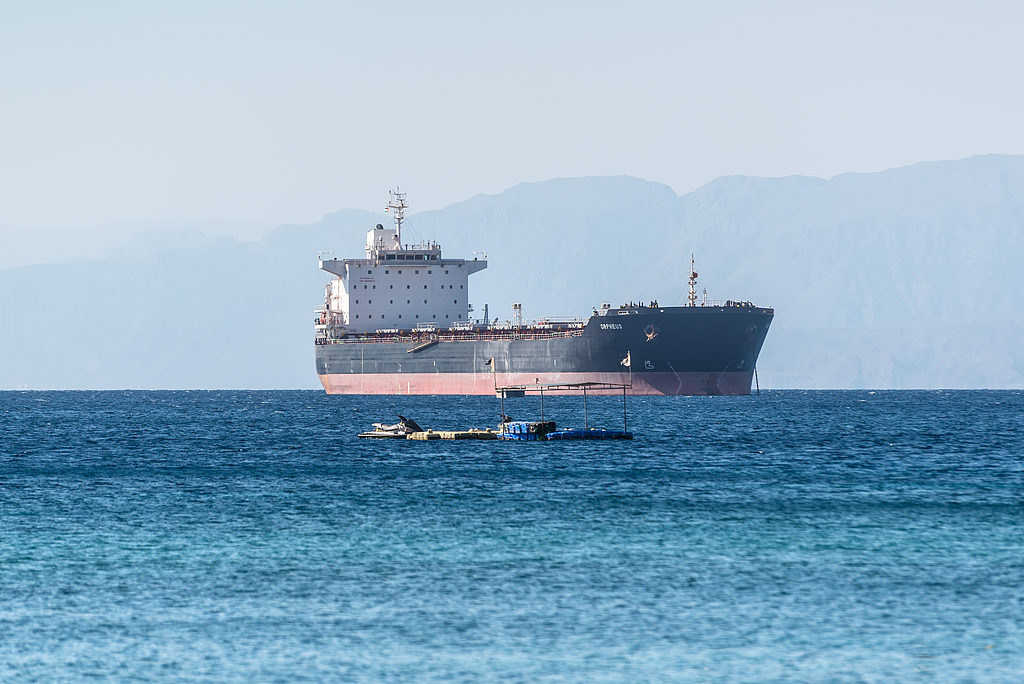
June 24 — With the signing of the memorandum of understanding between Iran and the United States on the reopening of the Strait of Hormuz, shipping data show that vessel traffic through the Strait of Hormuz and the Gulf region is gradually recovering.
As demand for oil transportation rises, tanker freight rates have already surged sharply, and tanker operators’ profits this week have reached a record high.
Oil transportation demand is gradually recovering.
Since Iran agreed last week to a 60-day ceasefire agreement with the United States, traffic flow through the Strait of Hormuz has shown a moderate recovery, while the two sides are still negotiating a permanent end to the war.
According to MarineTraffic, a vessel tracking service under Kpler, the number of vessels transiting the Strait of Hormuz increased to 93 in the three days from June 19 to 21, tripling from 32 in the period from June 12 to 14. On Monday (June 22) of this week, at least 39 additional vessels crossed the strait.
However, this figure still falls far short of pre-war levels. Before the outbreak of the US-Iran war, an average of 125 vessels passed through the Strait of Hormuz each day, while the current number of vessels using the route is only a small fraction of that.
According to market estimates, as many as 100 fully loaded tankers remain stranded in the Gulf, further exacerbating the shortage of available vessels, as Middle Eastern oil-producing countries are increasing energy exports.
According to shipping brokers and industry sources, the cost of chartering tankers outside the Strait of Hormuz has soared from USD 106,500 per week a week earlier to USD 190,500 per day, nearly doubling. At the same time, prices for vessels chartered outside the Gulf region have also risen sharply.
According to estimates by shipping brokerage firms and industry sources, the average daily cost for a Very Large Crude Carrier (VLCC) transporting crude oil within the Gulf that must pass through the Strait of Hormuz has now surged to nearly USD 470,000, an increase of more than USD 50,000 from a week earlier.
“Shipowners are preparing for an increase in Middle Eastern crude cargo volumes in the coming weeks, and what is encouraging shipowners is that, despite the decline in cargo volumes since the outbreak of the US-Iran conflict, the spot equivalent time charter earnings (TCE) averaging over USD 100,000 per day is encouraging.”
Shipping brokerage Clarksons stated.
The agency noted in a report: “This indicates that the supply side (of tankers) remains exceptionally tight. Should Hormuz reopen, capacity will become even more constrained.” Buyers and sellers have already begun positioning themselves. As traffic through the Strait of Hormuz recovers, major oil sellers and buyers have started to take action. Currently, Middle Eastern oil-producing countries, particularly Abu Dhabi National Oil Company, have launched multiple rounds of crude oil tenders this month and are urging buyers to load from within the Gulf, thereby driving demand for tankers. On the buyer side, Indian buyers—including the country’s largest refiner Reliance—are seeking to procure crude oil from the region after months of supply disruptions. On Monday this week, a Belgian-flagged VLCC operated by Sinokor, one of the world’s largest very large crude carrier operators under the South Korean shipping group, entered the Gulf and is heading to an Iraqi port for loading. According to insurance industry sources, despite rising tanker freight rates, war risk insurance premiums for tankers have fallen from approximately 5% of cargo value a week ago to approximately 3% over the past five days, without discounts included. This means vessel insurance costs will be reduced by hundreds of thousands of dollars.
